Bladder disorders and incontinence
Specialist diagnosis and treatment for women and men.
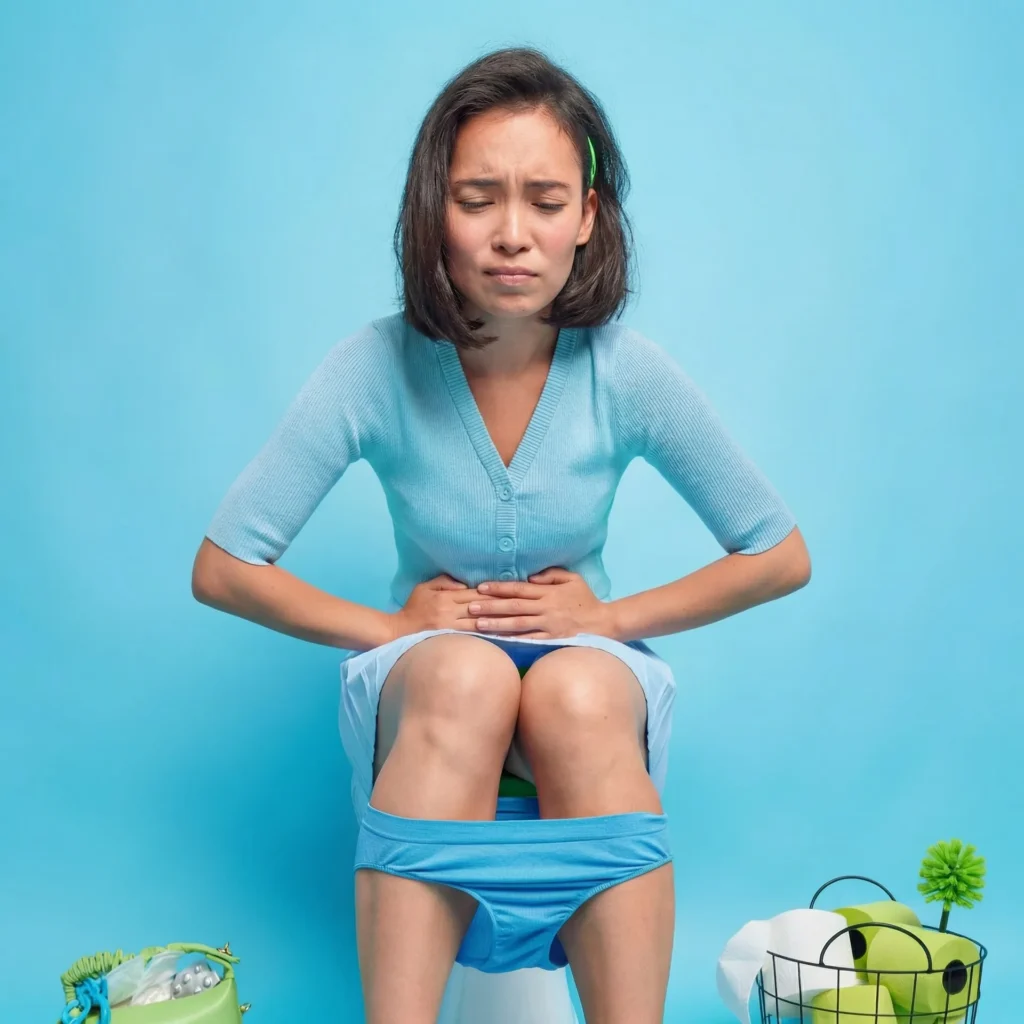
Urology is by no means exclusively a male concern. When it comes to conditions affecting the kidneys, the urinary tract and, in particular, the bladder, we as urologists are the primary point of contact for both men and women.
Symptoms such as uncontrolled urine leakage, a constant urge to urinate or recurrent bladder infections are very common, but are often kept hidden due to feelings of embarrassment.
At our practice, we offer a trusting and discreet atmosphere in which to discuss these sensitive issues openly.
Using the latest, gentle diagnostic methods, we identify the causes of your symptoms and work with you to develop a treatment plan that will restore your quality of life.
Recurrent urinary tract infections (cystitis)
Acute and, above all, chronic recurrent bladder infections severely restrict daily life. Our aim is to break the constant cycle of infections and repeated antibiotic use once and for all.
Root cause analysis
We don’t just treat symptoms; we look for the underlying causes. Using high-resolution ultrasound (to rule out residual urine), targeted urine cultures and microscopic examination, we rule out any anatomical or functional causes.
Alternative therapeutic approaches
Modern urology offers much more than just antibiotics. We can advise you on evidence-based pharmacological and herbal alternatives (phytotherapy), local oestrogen therapy for postmenopausal women, and immune stimulation (‘vaccination against cystitis’).
Prevention & the Microbiome
Factors such as fluid intake, the immune system or the composition of the local bacterial flora (microbiome) often play a crucial role. We will work with you to develop strategies to build up your bladder’s long-term resilience.
Interstitial cystitis (painful bladder)
A rare but severely debilitating chronic inflammation of the bladder wall with no evidence of bacterial infection. We offer specialist diagnostic tests to rule out other conditions, as well as personalised pain management and instillation therapies.
Urinary incontinence and overactive bladder (OAB)
Involuntary urine leakage or a sudden, uncontrollable urge to urinate can significantly affect one’s quality of life. However, there are now a wide range of highly effective treatment options available – provided the specific type of incontinence is accurately identified.
Stress incontinence
This condition involves urine leakage during physical exertion, when coughing, sneezing or laughing. The most common cause is a weak pelvic floor (e.g. following childbirth or surgery). Treatment ranges from targeted pelvic floor exercises and biofeedback to minimally invasive, supportive procedures.
Urge incontinence & overactive bladder
A typical symptom is a sudden, urgent need to urinate, which often cannot be held in until reaching the toilet. This is usually accompanied by frequent night-time urination (nocturia). Modern bladder training and well-tolerated medications (e.g. anticholinergics or beta-3 agonists) can effectively help to relax the bladder muscle.
Mixed incontinence
Many patients suffer from a combination of stress and urge incontinence. Through a comprehensive urological assessment, we identify the predominant component in order to establish a targeted and step-by-step treatment strategy.
Male incontinence
Men can also be affected, for example following prostate surgery. We offer specialist diagnostic services and non-surgical treatment options, as well as advising on and planning surgical treatments to restore continence where necessary (e.g. artificial bladder sphincter).
Accurate diagnosis of bladder problems
Every successful treatment is preceded by an accurate diagnosis. To rule out serious conditions (such as bladder cancer in cases of blood in the urine) with certainty, we use state-of-the-art, minimally invasive procedures.
High-resolution ultrasound: Ultrasound of the kidneys and bladder allows for a quick, radiation-free assessment of the bladder wall and is used to measure residual urine volume after urination.
Advanced urine diagnostics: In addition to standard urine analysis, we carry out bacteriological tests directly in our specialist laboratory.
Flexible cystoscopy: If a direct examination of the bladder lining is required (e.g. to investigate haematuria), we use state-of-the-art, flexible and very thin endoscopes. This procedure can be carried out on an outpatient basis and is relatively painless.
Take the first step.
You don’t have to put up with difficulties when urinating or uncontrolled urine leakage. Modern urology offers highly effective solutions. We take the time to listen to you and provide you with comprehensive advice.
Arrange an appointment for an assessment